
Our Services
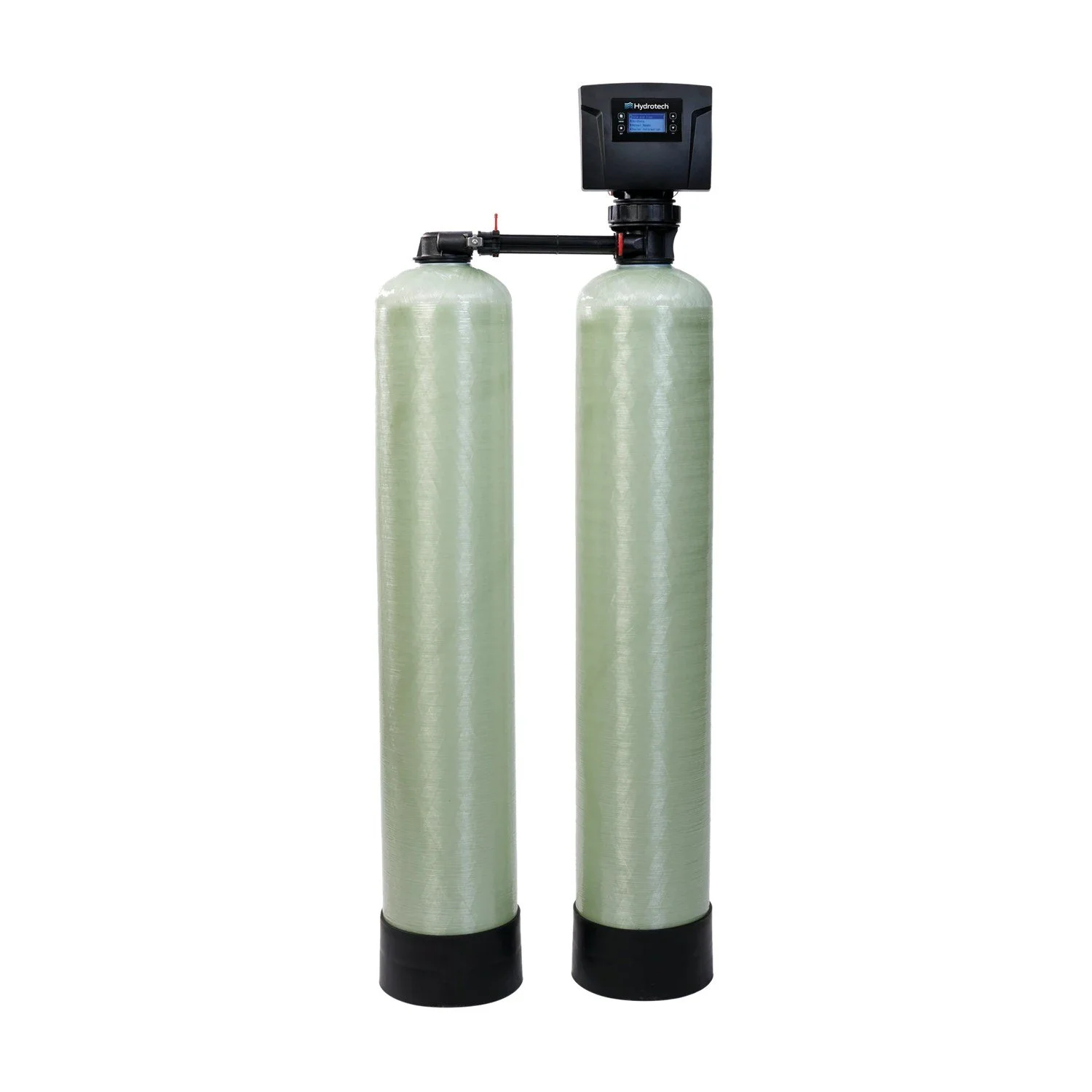
Iron filtration is the process of removing excess iron from water sources such as well water and groundwater. High iron concentrations can cause staining, water discoloration, metallic taste, and unpleasant odors. Fortunately, there are several effective methods available for removing iron from water, and the best solution depends on the type and severity of the iron contamination.
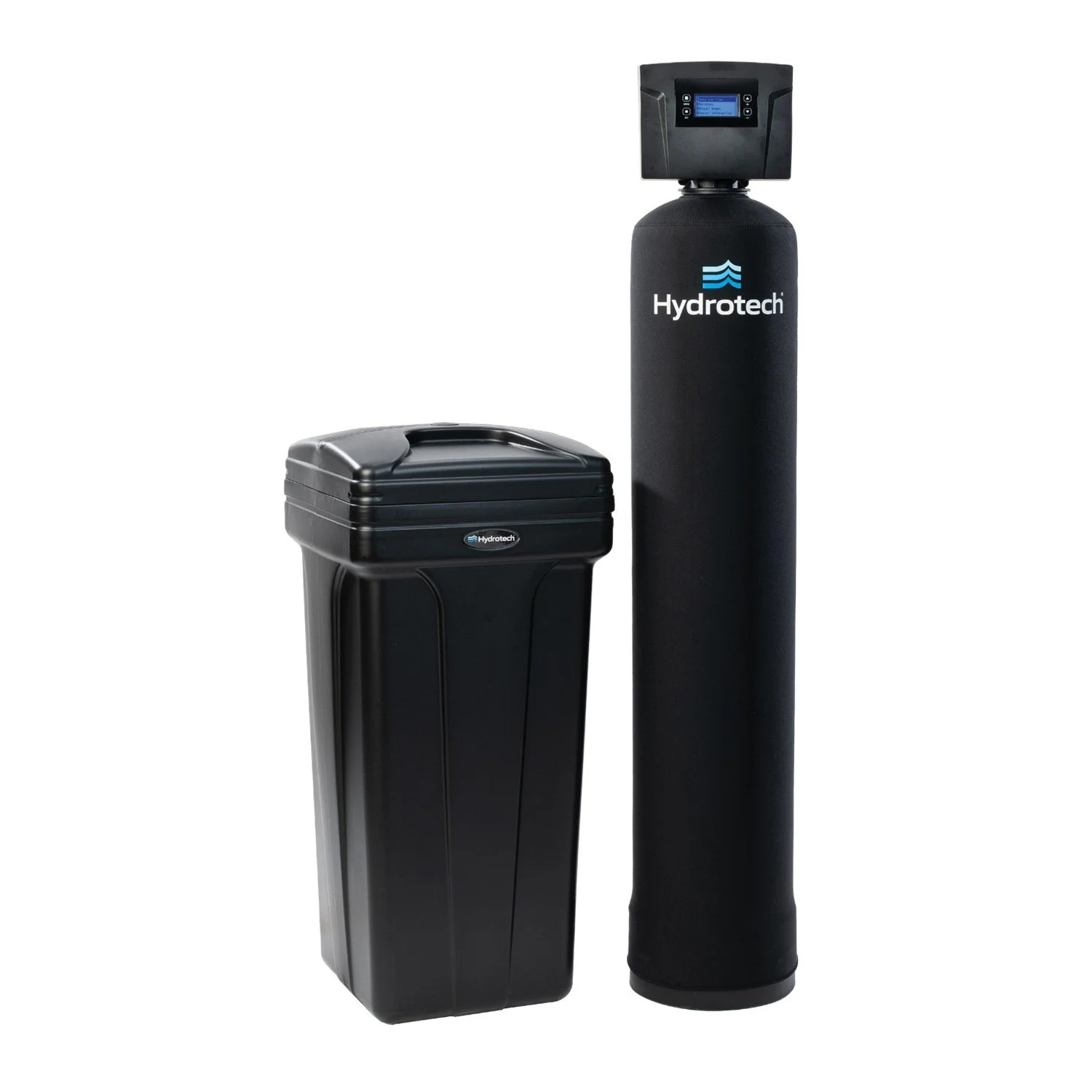
Color removal is the process of eliminating substances that cause water discoloration in order to improve water clarity, appearance, and overall quality. Water can become discolored due to a variety of factors, including organic matter such as algae and humic substances, naturally occurring minerals like iron and manganese, as well as industrial or agricultural contaminants.
Effective color removal treatment restores clear, clean-looking water while helping to meet residential, commercial, and municipal water quality standards. Depending on the source of the discoloration, a variety of specialized filtration and treatment methods can be used to achieve optimal results.
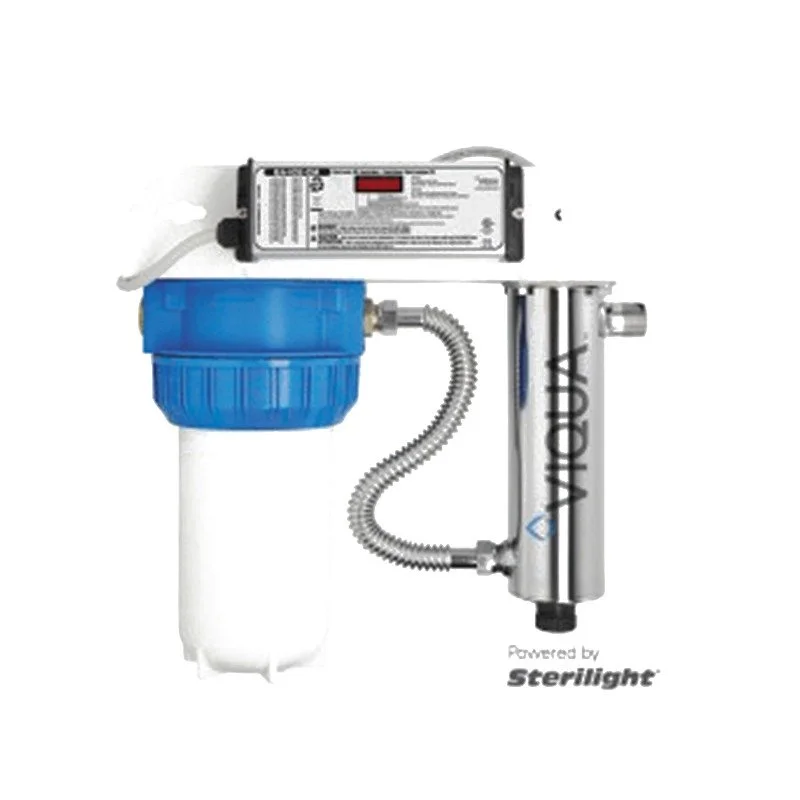
Ultraviolet (UV) disinfection is a highly effective water treatment method that uses ultraviolet light to destroy harmful microorganisms such as bacteria, viruses, and parasites. As water passes through the UV system, it is exposed to a specialized UV lamp that disrupts the DNA of these contaminants, preventing them from reproducing and making them harmless.
UV disinfection provides safe, chemical-free water treatment without affecting the taste, odor, or quality of the water. It is commonly used for residential well water systems, cottages, commercial applications, and municipal water treatment. UV systems are low maintenance, environmentally friendly, and offer continuous protection against microbiological contamination when properly maintained.
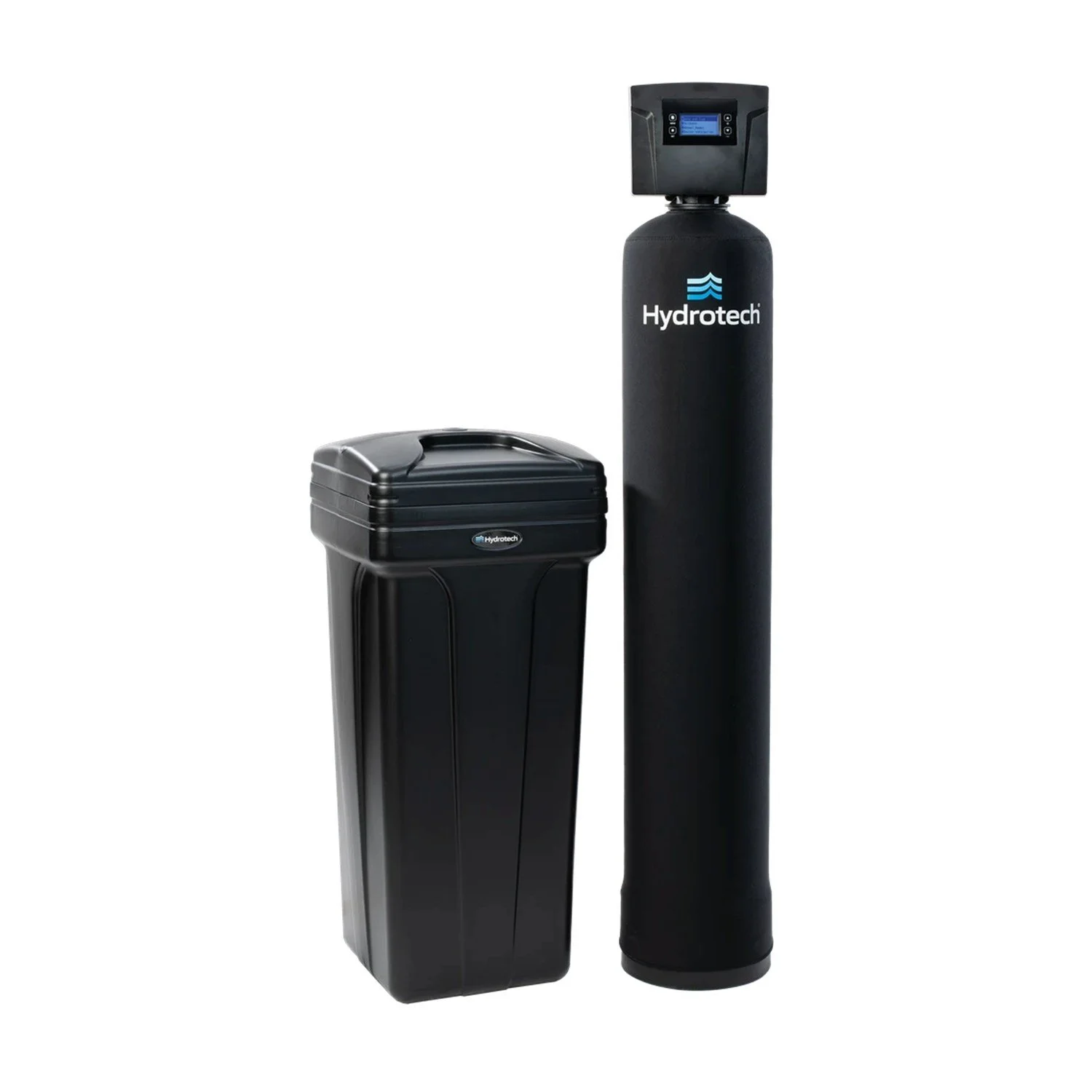
Water softeners act as water filtration systems that remove minerals such as calcium and magnesium. These minerals are responsible for hard water and can cause significant scale buildup in plumbing fixtures, pipes, and household appliances, leading to reduced efficiency, costly repairs, and premature equipment failure. Hard water also reduces the effectiveness of soaps and detergents. In contrast, softened water improves household efficiency by enhancing cleaning performance, protecting plumbing and appliances from scale accumulation, and improving the effectiveness of bathing and laundry applications.
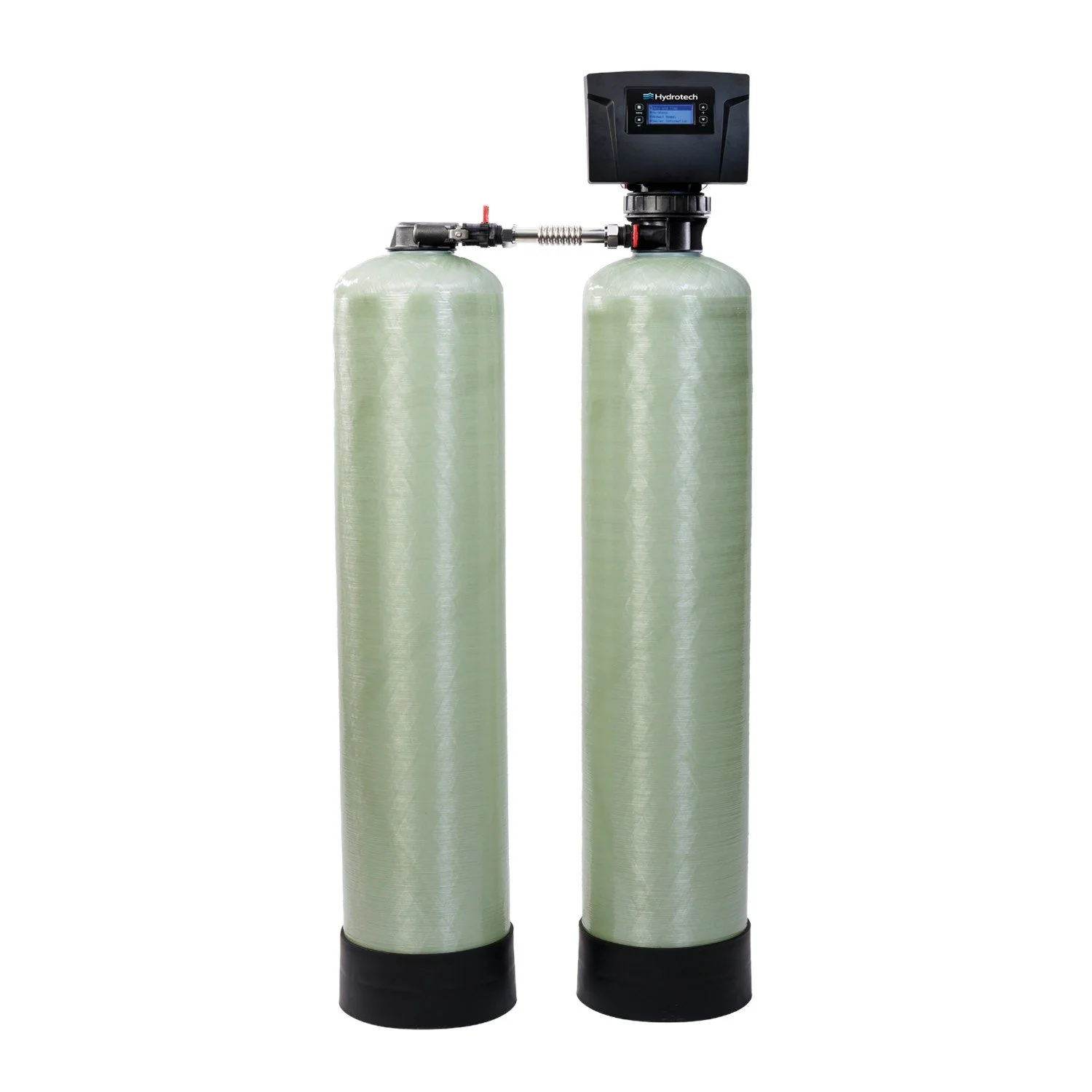
Sulfur compounds, particularly hydrogen sulfide, can cause a strong “rotten egg” odor in water while negatively affecting its taste and overall aesthetic quality. In addition to unpleasant odors, sulfur can contribute to corrosion and staining within plumbing systems. Sulfur removal is therefore an important part of maintaining clean, high-quality water. Treatment methods vary depending on the sulfur concentration and the specific characteristics of the water, allowing for customized solutions that effectively eliminate odors and improve water quality.
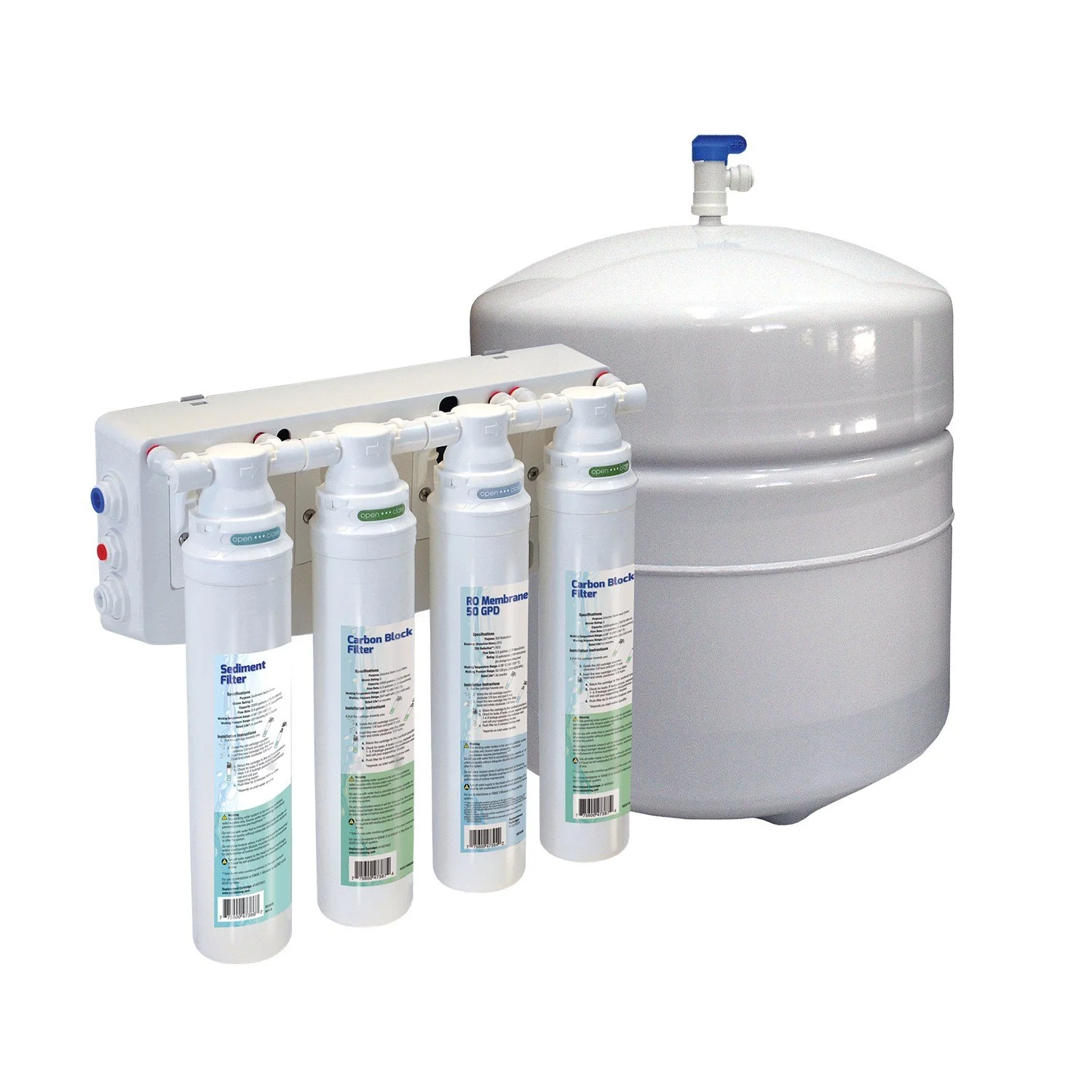
Reverse Osmosis (RO) is an advanced water purification process designed to remove a wide range of impurities and contaminants from water. Using pressure, water is forced through a semipermeable membrane that effectively filters out dissolved solids, salts, bacteria, viruses, and other unwanted particles while allowing clean water to pass through.
Reverse osmosis systems provide high-quality drinking water with improved taste, clarity, and purity. Under-sink RO systems are among the most popular residential water treatment solutions due to their effectiveness, reliability, and compact design.